

How spinal alignment influences movement, posture, and overall nervous system balance
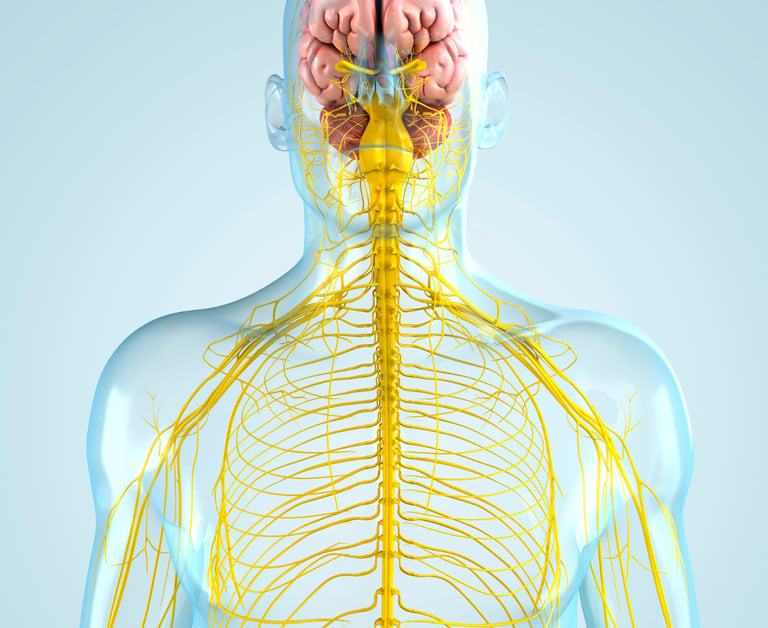
The spine is much more than the structural axis of the body—it’s a foundation for overall health and well‑being. Its primary role is to protect the spinal cord, the main communication pathway between the brain and the rest of the body. Through the spinal cord and its branching nerves, the nervous system controls and coordinates vital functions—from voluntary movement to automatic processes like breathing, digestion, and heart rhythm.
When the spine is aligned and balanced, the nervous system can function optimally, enabling clear, efficient communication between the brain and every cell, organ, and tissue in the body. When there are misalignments, restrictions, or tension in the spine, nerve signaling may be disrupted. This can show up as physical discomfort, pain, fatigue, decreased performance, postural changes, and even more complex health challenges.
There are many reasons the spine can fall out of balance. Common factors include poor posture, stress, repetitive movements, injuries, a sedentary lifestyle, excess weight, and natural aging. Emotional factors can also influence muscle tension and, in turn, spinal alignment.
Caring for your spine is essential for maintaining balance and healthy function throughout the body. A holistic approach—like what BIOADJUSTMENT offers—helps restore spinal harmony and optimize nervous system function, promoting a healthier, more fulfilling life.
The BioAdjustment Method
BioAdjustment focuses on guided bodywork using subtle, precise movements and specific tools such as balls, rods/dowels, and pool noodles. This approach mobilizes and applies targeted pressure to different areas of the body—including muscles, fascia, and bones—to help shift their shape, tone, texture, and the patterns of information they hold.
It’s important to understand that a muscle never acts in isolation; it’s interconnected with other muscles and structures through tissues like fascia. That’s why, in BioAdjustment, when we work on one area, we always consider its connections to the rest of the body. We don’t address a single zone in isolation—we work integratively with all related areas.
You can think of the body as a system of doors: some need to open at the same time to allow energy and information to flow. If only one door opens, the current stagnates at the others, leading to accumulation and tension.



Be the Sovereign of Your Body
Change your Body and Transform your Life
BE THE CHANGE
DARE TO TRANSFORM YOUR LIFE
bioadjustment@gmail.com
+34-608-062-449
© BioAdjustment 2025. All rights reserved.
Privacy Policy
Cookies Policy