
💪 Module 2: The Physical Body
Learn BioAdjustment’s applied anatomy: muscle chains, trigger points, diaphragm, psoas, cervical spine… Discover how to ease discomfort and manage stress with real, body‑based practices.
In this module, you’ll dive into the anatomical foundations of BioAdjustment: myofascial chains, trigger points, breath mechanics, the cervical–eye connection, psoas, and diaphragm. You’ll also understand the main causes of physical complaints, how they relate to the brain and stress, and what you can do from the BioAdjustment perspective. This module includes preparation guidelines and guided classes.
BioAdjustment anatomical foundations
Myofascial chains
Trigger points and myofascial pain
Respiratory movement (breath mechanics)
Cervical–eye relationship
Psoas and diaphragm
Physical complaints through the BioAdjustment lens—and how to address them
Root causes of common aches and restrictions
The role of posture, breath, and movement patterns
Practical strategies to release tension and restore function
The role of the brain, the body, and stress
Autonomic states and muscle tone
How stress shapes pain, perception, and recovery
Nervous‑system‑informed approaches to movement and release
Class preparation and structure
Pre‑class preparation and materials
How to structure a BioAdjustment class
Safety, pacing, and progression
Guided classes and practices
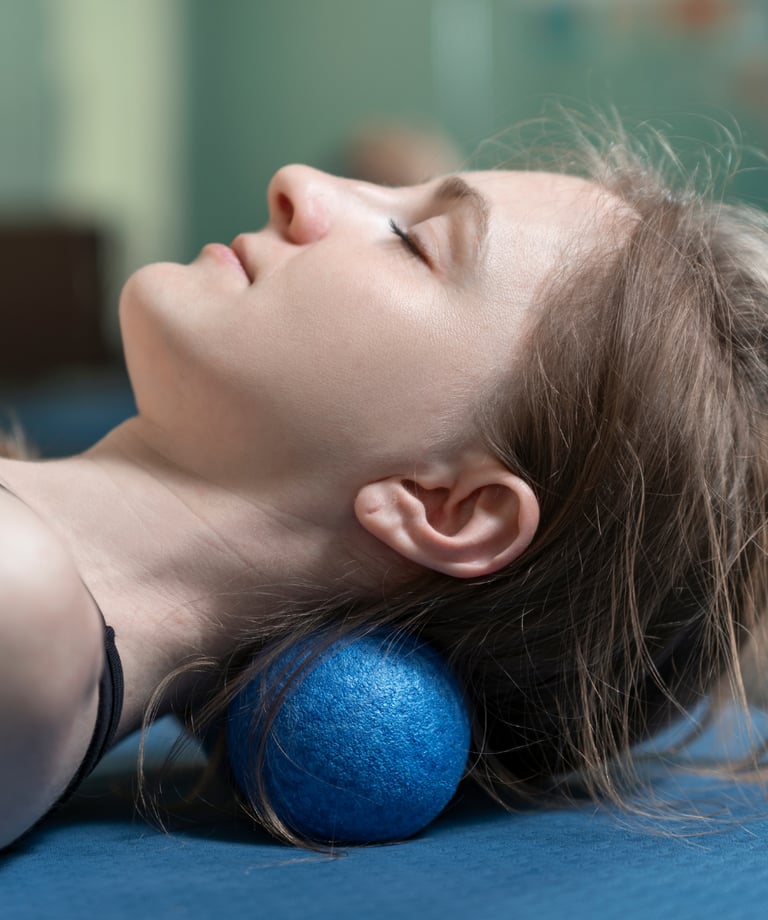
Step‑by‑step sequences for key areas (neck/shoulders, diaphragm/psoas, spine, hips)
Breath‑led regulation drills and micro‑movements
Short daily routines to sustain results



Be the Sovereign of Your Body
Change your Body and Transform your Life
BE THE CHANGE
DARE TO TRANSFORM YOUR LIFE
bioadjustment@gmail.com
+34-608-062-449
© BioAdjustment 2025. All rights reserved.
Privacy Policy
Cookies Policy